


LED vs Incandescent vs CFL: Energy Efficiency Compared
If you’re trying to reduce electricity bills and make a smarter lighting choice, understanding the difference between LED, incandescent, and CFL bulbs is essential. Each type of lighting works differently, consumes different amounts of energy, and impacts both your wallet and the environment in unique ways. In simple terms, LED lights are the most energy-efficient and long-lasting, CFLs are moderately efficient, and incandescent bulbs are the least efficient and most power-hungry. This guide breaks down everything you need to know so you can make the right choice for your home or business.
What Is Energy Efficiency in Lighting
Energy efficiency in lighting refers to how effectively a bulb converts electricity into visible light instead of wasting it as heat. The key metric used is lumens per watt, which measures how much light output you get for each unit of electricity consumed. Higher lumens per watt means better efficiency, lower electricity usage, and reduced energy costs over time. Choosing energy-efficient lighting not only saves money but also reduces your carbon footprint.
How Incandescent Bulbs Work
Incandescent bulbs are the oldest and most traditional type of lighting. They work by passing electricity through a thin filament, which heats up and produces light. While they provide a warm and pleasant glow, they are extremely inefficient because about 90 percent of the energy is lost as heat rather than light. A typical incandescent bulb produces around 10 to 17 lumens per watt, making it the least efficient option available. Their lifespan is also very short, usually around 1,000 hours, which means frequent replacements and higher long-term costs.
How CFL Bulbs Work
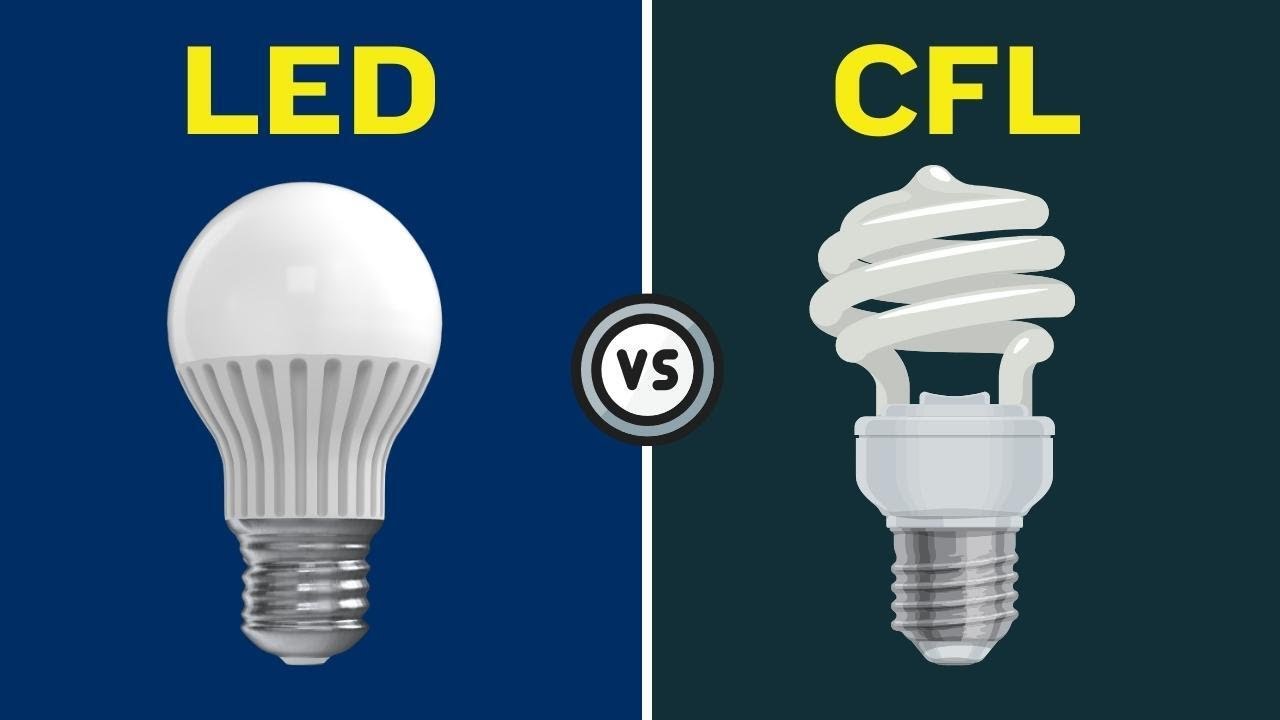
Compact Fluorescent Lamps, commonly known as CFLs, were introduced as a more energy-efficient alternative to incandescent bulbs. They work by passing electricity through a gas-filled tube, which produces ultraviolet light that then interacts with a phosphor coating to emit visible light. CFLs are significantly more efficient than incandescent bulbs, producing around 50 to 70 lumens per watt. They also last longer, typically between 6,000 to 10,000 hours. However, CFLs have some drawbacks, such as containing small amounts of mercury, taking time to reach full brightness, and being sensitive to frequent on-off switching.
How LED Lights Work
Light Emitting Diodes, or LEDs, represent the most advanced lighting technology available today. They work by passing electricity through a semiconductor material, which emits light directly without generating excessive heat. This process is highly efficient, allowing LEDs to produce around 80 to 120 lumens per watt or even more. LED lights also have an exceptionally long lifespan, often lasting between 25,000 to 50,000 hours. They turn on instantly, are highly durable, and are available in a wide range of colors and brightness levels, making them suitable for almost every application.
Energy Efficiency Comparison
When comparing energy efficiency, LEDs clearly outperform both CFLs and incandescent bulbs. For example, to produce the same brightness of around 800 lumens, an incandescent bulb typically uses about 60 watts, a CFL uses around 13 to 15 watts, and an LED uses only 8 to 10 watts. This means LEDs consume up to 85 percent less energy than incandescent bulbs and about 40 percent less than CFLs. Over time, this difference results in significant energy savings, especially in homes or offices where lights are used frequently.
Cost Comparison Over Time
While incandescent bulbs are the cheapest upfront, their high energy consumption and short lifespan make them the most expensive in the long run. CFLs offer a balance between upfront cost and efficiency, but they still require replacement more often than LEDs. LED lights may have a higher initial cost, but they provide the best value over time due to their low energy usage and long lifespan. When you factor in electricity savings and reduced replacement costs, LEDs are the most cost-effective option.
Environmental Impact
Lighting choices also affect the environment. Incandescent bulbs waste a large amount of energy, leading to higher carbon emissions. CFLs are more efficient but contain mercury, which requires careful disposal to avoid environmental harm. LEDs are the most environmentally friendly option because they use less energy, last longer, and do not contain hazardous materials. Their reduced energy consumption also contributes to lower greenhouse gas emissions.
Performance and Practical Use
In terms of performance, LEDs offer the most advantages. They provide instant brightness, consistent light quality, and better durability compared to both CFLs and incandescent bulbs. Incandescent bulbs offer warm lighting but are fragile and inefficient. CFLs can sometimes flicker, take time to warm up, and are not ideal for areas where lights are frequently switched on and off. LEDs, on the other hand, perform well in all conditions and are suitable for homes, offices, outdoor spaces, and commercial environments.
Which One Should You Choose
If your goal is maximum energy efficiency, lower electricity bills, and long-term savings, LED lights are the clear winner. CFLs can be a reasonable choice if you are looking for a mid-range option, but they are gradually being replaced by LEDs due to their limitations. Incandescent bulbs are no longer recommended except for specific decorative or low-use purposes.
Conclusion
When it comes to energy efficiency, the comparison between LED, incandescent, and CFL lighting is straightforward. LEDs lead the way with superior efficiency, longer lifespan, and better overall performance. CFLs offer moderate savings but come with certain drawbacks, while incandescent bulbs lag far behind in both efficiency and cost-effectiveness. Switching to LED lighting is one of the simplest and most impactful steps you can take to reduce energy consumption, save money, and create a more sustainable living or working environment.
