


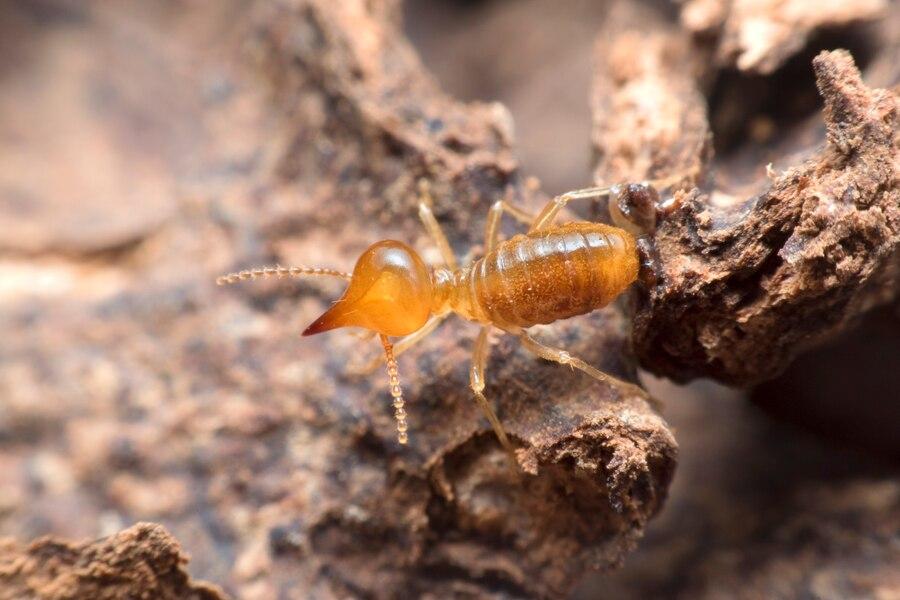
Termites become inconspicuous infiltrators that can infest and compromise most homes if not detected on time. They are commonly referred to as ‘silent destroyers’ since they can infest wood as well as other cellulose products for years before being identified.
Termites pose great threats to homeowners, which can result in loss of property and weak structures; therefore, proper control treatment must be embraced at all times. So this article will explore how one should go about dealing with termites and preventing them from recurring after being eradicated.
1. Identifying the Signs of a Termite Infestation
Termites are known as wood-consuming insects and one of the initial procedures of termite control is to look for the early signals of their activity. Some of the signs to look out for are; the sounding of wooden knocks, discarded wings, mud tubes on the walls, and signs of roamed wood.
Termites are most often found in places that are difficult to assess for health, and it is important to detect them as soon as possible. Different structural areas should be inspected preferably by a professional or by a prudent homeowner whereby early signs of infestations can be observed before it reaches unmanageable levels.
2. Types of Termite Control Treatments
Nonetheless, termite control treatment differs based on the level of infestation and type of termites in question. Common methods include:
● Liquid termiticides: These when applied to the soil create a form of barrier to either rebuff or kill the termites.
● Bait systems: They employ nutrition that termites love combined with long-latency poisons that will wipe out whole nests.
● Fumigation: Good for extreme infestations of termites, the method involves enclosing the structure and using a gas to remove termites.
3. The Importance of Professional Termite Control Services
Although such methods look rather attractive, it is always better to turn to professionals and ensure that the problem is solved effectively. Professionals have better control strategies and equipment that the normal public does not have access to. They are capable of carrying out routine examinations, establishing the species affected, and applying appropriate remedies. Experts also give important information as to how to avoid the re-infestation of cockroaches and how one can be shielded from future invasion by these pests in his or her home.
4. Preventative Measures to Avoid Termite Infestations
The best way to reduce or avoid termite infestation is prevention. Some preventative measures that homeowners can undertake include avoiding a buildup of moisture around the house; ensuring proper drainage of water, and how they stack firewood some distance from the house because termites may infest them. Using sealants to cover up any cracks in the foundation and making sure there is adequate ventilation in the crawl spaces also helps. Professional inspection done frequently is a preventive approach that ensures that early signs of failure are detected.
5. The Long-Term Benefits of Effective Termite Control
It is important to note that termite control treatments are not only good investments for your home but also add value to your house. The structures remain strong, beautiful, and safe when termites are controlled since they pose a great danger to them. Furthermore, early termite control makes the homeowner avoid incurring losses and anxiety that comes with a serious termite attack.
