


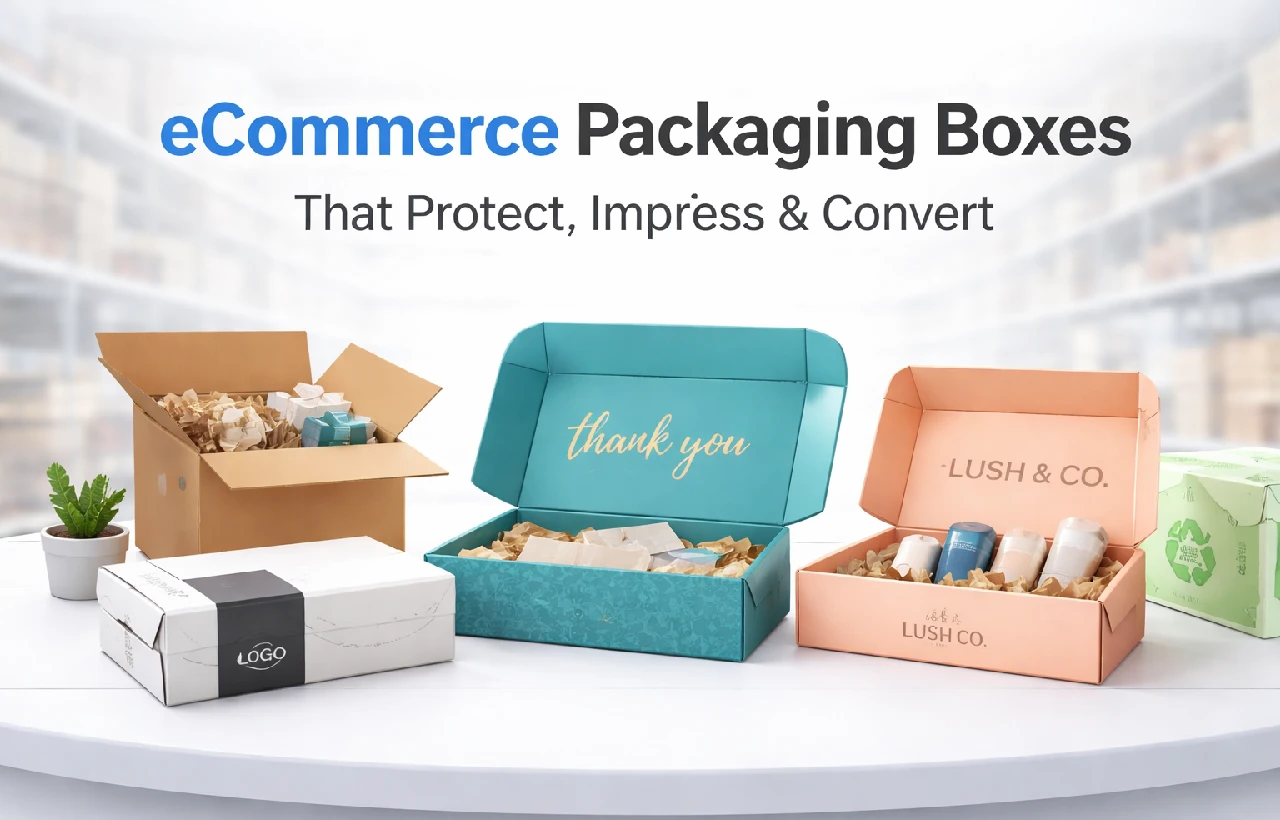
Best Shipping Boxes for eCommerce Businesses in 2026
In 2026, choosing the right shipping boxes is no longer just about packaging—it directly impacts your costs, delivery success rate, customer experience, and brand perception. With rising logistics costs and increasing customer expectations, eCommerce businesses must carefully select packaging that balances protection, cost-efficiency, sustainability, and branding. This guide explores the best shipping box options for modern online stores and how to choose the right one for your business.
Why Shipping Boxes Matter More Than Ever in 2026
The eCommerce landscape has evolved significantly, especially in markets like India where factors such as long-distance shipping, multiple handling points, and high return rates (RTO) make packaging critical. Poor packaging can lead to product damage, increased returns, and negative reviews. On the other hand, the right shipping box reduces damage rates, optimizes shipping costs, and enhances unboxing experiences.
Shipping boxes also influence logistics costs. Heavier packaging increases courier charges, while oversized boxes increase dimensional weight pricing. Choosing the right box size and type can significantly reduce operational expenses while maintaining product safety.
Types of Shipping Boxes for eCommerce
Corrugated Shipping Boxes
Corrugated boxes remain the most widely used packaging solution in eCommerce. These boxes are made of multiple layers of paperboard, providing excellent durability and shock absorption.
They are ideal for shipping fragile, heavy, or high-value items such as electronics, kitchenware, and glass products. Their rigid structure protects against compression and rough handling during transit.
Another major advantage is branding. Corrugated boxes offer ample space for printing logos, instructions, and inserts, making them perfect for premium customer experiences. They are also recyclable, making them a more sustainable option compared to plastic packaging.
However, they are heavier and occupy more storage space, which can increase shipping and warehousing costs.
Poly Mailers (Plastic Shipping Bags)
Poly mailers are lightweight, flexible, and cost-effective packaging solutions widely used for high-volume eCommerce businesses. They are best suited for non-fragile items like clothing, accessories, and soft goods.
Their biggest advantage is cost savings. Poly mailers weigh significantly less than boxes, reducing shipping costs, especially for single-item orders. They are also waterproof and tear-resistant, making them suitable for varied weather conditions.
However, they offer limited protection and are not suitable for fragile items unless combined with additional padding.
Bubble Mailers
Bubble mailers are a hybrid solution that combines the flexibility of poly mailers with added cushioning. They include an inner bubble wrap layer, offering moderate protection for small and semi-fragile items.
These are ideal for shipping items like jewelry, small electronics, books, and cosmetics. They are lightweight and cost-effective compared to boxes, while still providing better protection than standard poly mailers.
Kraft Mailers and Paper-Based Packaging
Kraft mailers are gaining popularity in 2026 due to increasing demand for sustainable packaging. Made from paper, they are recyclable and eco-friendly while still offering moderate durability.
They are suitable for lightweight items and brands that want to emphasize sustainability and reduce plastic usage.
Custom Mailer Boxes (Branded Packaging)
Custom mailer boxes are designed specifically for branding and customer experience. These are often used by D2C brands and premium eCommerce stores.
They are typically made from high-quality corrugated material and can include custom prints, inserts, and unique designs. These boxes enhance brand recall and create a memorable unboxing experience, which is increasingly important in competitive markets.
While more expensive, they provide strong ROI through improved customer loyalty and social media visibility.
Key Factors to Consider When Choosing Shipping Boxes
Product Type and Fragility
The nature of your product is the most important factor. Fragile and heavy items require corrugated boxes, while lightweight and durable items can be shipped using poly mailers or bubble mailers.
Shipping Costs and Weight
Shipping charges are heavily influenced by weight and dimensions. Poly mailers reduce costs due to their lightweight design, while boxes increase costs but offer better protection.
For high-volume businesses, even small savings per shipment can lead to significant cost reductions over time.
Durability and Protection
Corrugated boxes offer up to significantly higher protection in drop tests compared to poly mailers, making them essential for long-distance or fragile shipments.
Sustainability
Consumers in 2026 prefer eco-friendly packaging. Corrugated boxes and kraft mailers have higher recycling rates compared to plastic mailers, making them a better choice for environmentally conscious brands.
Branding and Customer Experience
Packaging is now part of the product experience. Custom boxes allow businesses to create a premium feel, include marketing inserts, and improve customer retention.
Best Shipping Box Strategies for eCommerce in 2026
Use Hybrid Packaging Strategy
Successful eCommerce businesses rarely rely on a single packaging type. Instead, they use a mix of boxes and mailers depending on the product category.
For example, apparel brands often use poly mailers for clothing and corrugated boxes for premium or multi-item orders.
Optimize Box Sizes
Using the right box size reduces empty space and shipping costs. Oversized boxes increase dimensional weight charges and require more filler materials.
Efficient box sizing can significantly improve logistics efficiency and reduce waste.
Invest in Protective Materials
Even the best box cannot prevent damage without proper internal protection. Materials like bubble wrap, foam, and air pillows help absorb shocks and keep products secure during transit.
Focus on Sustainability
Switching to recyclable or biodegradable packaging not only reduces environmental impact but also improves brand perception. Many consumers prefer brands that use eco-friendly packaging.
Prioritize Return-Friendly Packaging
With increasing return rates in eCommerce, packaging should be easy to reopen and reseal. This improves customer convenience and reduces reverse logistics costs.
Trends in eCommerce Shipping Boxes for 2026
One major trend is the shift toward sustainable packaging, with more brands adopting recyclable and biodegradable materials. Another trend is the rise of minimalist packaging, where businesses aim to reduce material usage without compromising protection.
Automation is also influencing packaging decisions. Standardized box sizes and easy-to-pack formats are becoming more important for fulfillment centers and 3PL operations.
Additionally, branded packaging is becoming a marketing tool, helping businesses stand out in crowded markets and improve customer loyalty.
Conclusion
The best shipping boxes for eCommerce businesses in 2026 depend on your product type, budget, and brand positioning. Corrugated boxes remain the best choice for protection and branding, while poly mailers and bubble mailers offer cost-effective solutions for lightweight items.
The most successful eCommerce businesses use a combination of packaging types, optimize box sizes, and focus on sustainability and customer experience. By choosing the right shipping boxes, you not only protect your products but also improve profitability and build a stronger brand.
